
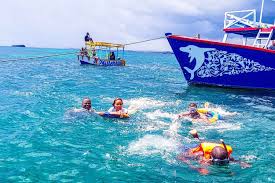
Watamu Beach is more than just a slice of Kenyan coast; it’s a world-renowned marine sanctuary that effortlessly balances thrilling underwater adventure with serene, cultural relaxation. Voted one of the top ten beaches in Africa, this destination is a must-visit for any traveler seeking crystal-clear waters, protected coral gardens, and a commitment to responsible tourism.
The name “Watamu,” which means “home of sweet people” in Swahili, perfectly captures the town’s welcoming and tranquil atmosphere. Located approximately 105 kilometers north of Mombasa, this hidden gem on the North Coast of Kenya offers an experience far removed from the typical crowded beach holiday. It is an ideal spot for the eco-conscious explorer.
This definitive, in-depth guide is your essential resource for planning your visit. You’ll learn exactly why Watamu, Kenya, is the ultimate destination, how to maximize your time in the water, and how to embrace the slow, cultural pace of coastal life.
📍 What Makes Watamu Beach a Kenyan Marine Paradise? (Setting the Scene)
The singular allure of Watamu Beach stems from a unique confluence of geology, history, and conservation that few other coastal destinations can match. It is the perfect fusion of natural beauty and human commitment to preservation.
Defining Watamu: The Three Bays of Tranquility
Watamu is not a single, continuous stretch of sand, but a series of interconnected, protected crescent-shaped beaches and bays. This formation acts as a natural buffer, ensuring calm waters ideal for swimming and snorkeling year-round. These bays are the community’s heart and soul:
- Watamu Bay: The central, accessible bay where much of the town’s life and boat activity is concentrated.
- Blue Lagoon: Known for its shallower, turquoise waters and relative seclusion, it’s perfect for kayaking and paddleboarding.
- Turtle Bay Beach: Perhaps the most famous, it’s a protected nesting ground and key area for local conservation efforts, offering calm, picturesque relaxation.
The beaches are characterized by powder-white sand and ancient baobab trees that frame the shoreline, offering a truly iconic Kenyan coastal view.
The Conservation Commitment: A UNESCO Biosphere Reserve
The central frame of any Watamu Beach experience is its deep-rooted protected status. Established in 1968, the Watamu Marine National Park & Reserve (WMNP&R) is not only one of Africa’s oldest marine parks but also part of a UN-recognised World Biosphere Reserve (1979).
- Entity: Watamu Marine National Park & Reserve (WMNP&R).
- Governing Body: Kenya Wildlife Service (KWS), which actively patrols and manages the area to maintain ecological integrity.
- Relationship: The MPA’s strict “no-take” zone regulations have resulted in a higher biomass of fish and better coral cover compared to unprotected areas, directly supporting the superior snorkeling experience.
This protected status is the economic and ecological backbone of Watamu, Kenya. The WMNP&R covers approximately 10 square kilometers, protecting the delicate coral reefs, sea grass beds, and the surrounding Mida Creek mangrove forests.
Data Point: The coral gardens within the Watamu Marine Park are located just 300 meters offshore, making them incredibly accessible. They are home to approximately 600 species of fish and over 110 species of stony coral.
Why Choose Watamu Over Other Kenyan Beaches?
While Diani Beach is famous for its resort life and Lamu for its history, Watamu Beach is the undisputed champion for the eco-conscious traveler prioritizing marine biodiversity and low-impact tourism.
| Feature | Watamu Beach Advantage | Semantic Keywords |
| Marine Life | Highest concentration of protected marine biodiversity in Kenya, including three species of sea turtle. | Marine sanctuary, Green Sea Turtle, Coral Reefs |
| Cultural Heritage | Direct proximity to the ancient Gedi Ruins and the unique Mida Creek ecosystem. | Swahili Culture, Mida Creek, Gedi Ruins |
| Atmosphere | A quiet fishing village with a focused eco-tourism sector, less commercialized than larger coastal cities. | Eco-tourism, Tranquil, Local Ocean Conservation |
| Accessibility | Snorkeling reefs are incredibly close to the shore. | Protected Bays, Accessible Reefs |
The close collaboration between the KWS and local organizations like Local Ocean Conservation (Watamu Turtle Watch) ensures that tourist activity directly supports the protection of endangered species. For example, their Bycatch & Release Programme has recorded over 24,000 turtle rescues since 1998, compensating local fishermen for their efforts—a crucial example of successful community-based conservation. This conservation frame is what truly defines the Watamu Beach experience.
🐢The Ultimate Snorkeling Experience: Diving into Watamu Marine Park
For many travelers, a trip to Watamu, Kenya, is synonymous with exceptional snorkeling and diving. The warm, clear Indian Ocean waters, combined with the incredibly close proximity of the reef, make the Watamu Marine Park accessible to all skill levels, from beginners to experienced free-divers. The primary reason for this world-class experience is the area’s fiercely protected status.

Understanding the Watamu Marine National Park & Reserve (WMNP&R)
The Marine Park is the crown jewel of Watamu Beach. It comprises different zones that serve different purposes, a concept crucial for maintaining biodiversity.
- Query Semantics: What is the difference between the Marine Park and the Marine Reserve?
| Zone | Status and Regulations | Purpose |
| Marine National Park (No-Take Zone) | Strict protection. No fishing, anchoring, or removal of any marine organism is permitted. | To preserve the coral reef ecosystems and serve as a breeding ground. This is where the best snorkeling is. |
| Marine Reserve (Managed Use) | Regulations are less strict, allowing controlled activities like artisanal fishing. | To allow for sustainable resource use by the local communities. |
The health of the park is paramount. The warm waters (averaging $25^\circ \text{C}$ to $30^\circ \text{C}$) provide an ideal environment for coral growth, leading to a vibrant and structurally complex reef system teeming with life.
How to Snorkel Watamu Like an Expert
To maximize your time in the water and ensure a responsible visit to the reef off Watamu Beach, careful planning around tides and choosing the right operator is essential.
The Best Time to Go: Understanding Tides and Visibility
Snorkeling is largely dependent on the tidal cycle.
- Tidal Charts are Crucial: The best snorkeling often occurs during high tide. This is when the water depth over the reef crest is sufficient, providing the best visibility and allowing boats (both speedboats and traditional dhows) easy access to the prime spots.
- Visibility Factors:
- The driest months (December to March and July to October) offer the highest visibility, sometimes reaching 25-30 meters.
- The long rains (April to June) can bring sediment into the ocean, temporarily reducing clarity, though the water remains warm.
Choosing Your Vessel: Traditional Dhows vs. Speedboats
When booking a trip from Watamu Beach, you have two main options:
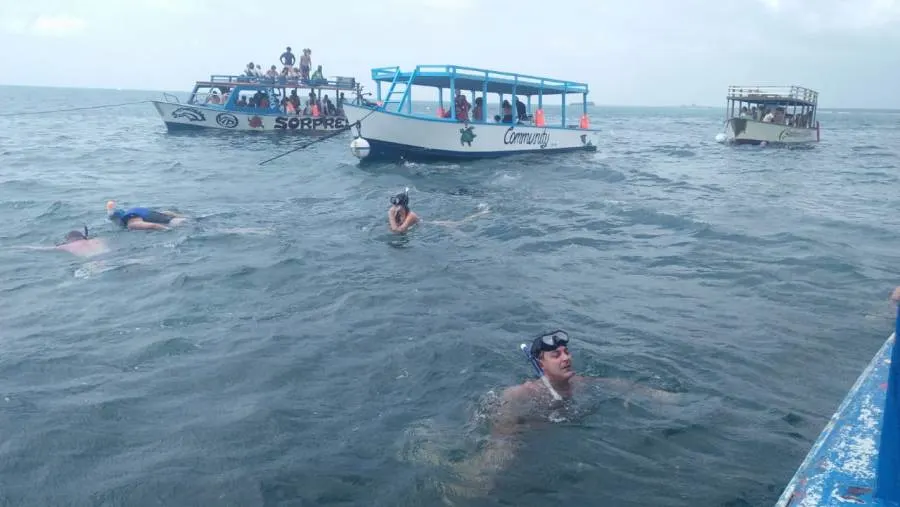
- Traditional Dhows: These offer a slower, more authentic, and environmentally friendly experience. They rely on wind or slow motor power, minimizing noise pollution that can disturb marine life. They are ideal for relaxation and cultural connection.
- Speedboats: Faster and more efficient for covering greater distances, especially if combining snorkeling with a trip to the deep ocean or distant parts of the park. They are the go-to choice for divers or those with limited time.
Tip for Safety: Always choose a licensed operator. All reputable boat operators around Watamu are registered with the KWS and adhere to safety standards, carrying the necessary life vests and safety equipment.
Discovering the Submerged World: The Marine Entities
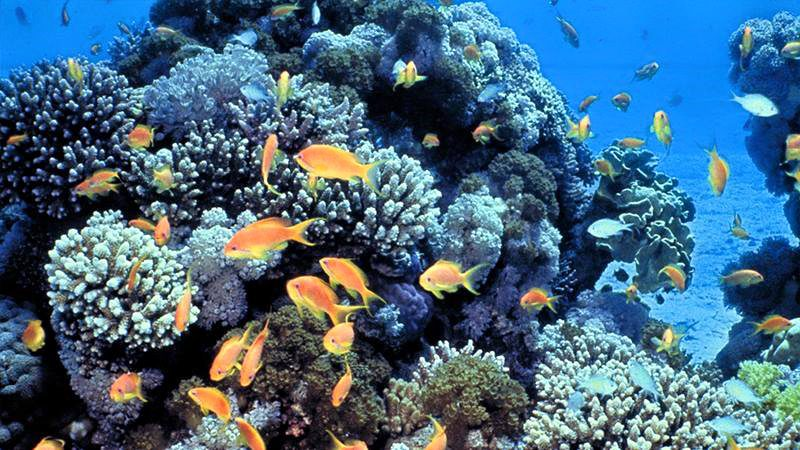
The moment you put your face into the water in the Marine Park, you are entering an underwater city. The sheer density and variety of fish life are breathtaking, confirming the success of the protected status of Watamu Beach.
Coral Reefs: The Underwater Cities
The foundation of the entire ecosystem is the coral. The Watamu reefs are primarily fringing reefs and patch reefs.
- Entity: Hard Corals (Staghorn, Brain Coral, Plate Coral) and Soft Corals.
- Relationship: Coral provides shelter and food for over 600 species of fish. A single square meter of healthy reef can host hundreds of different organisms.
- Fact: The Staghorn coral (genus Acropora) is a fast-growing species common here, creating vital, complex habitats for juvenile fish.
Fishes of Watamu: A Kaleidoscope of Colour
The fish population here is staggering in its diversity and color.
| Fish Entity | Ecological Role | Key Behaviour for Snorkelers |
| Parrotfish | Herbivore (grazes on algae, creating sand). | Often seen in groups, their chewing sound is audible underwater. |
| Moorish Idol | Iconic, long-finned fish often seen in pairs. | Easy to spot due to its distinctive black, white, and yellow stripes. |
| Butterflyfish | Often monogamous, feeds on coral polyps and small invertebrates. | A good indicator of coral health; often seen near living coral colonies. |
| Angelfish | Large, brilliantly coloured tropical fish. | Known for their distinctive color changes between juvenile and adult stages. |
The Gentle Giants: Sea Turtles (Focus on Conservation)
Watamu Beach is internationally recognized as a critical foraging and nesting ground for endangered sea turtles.
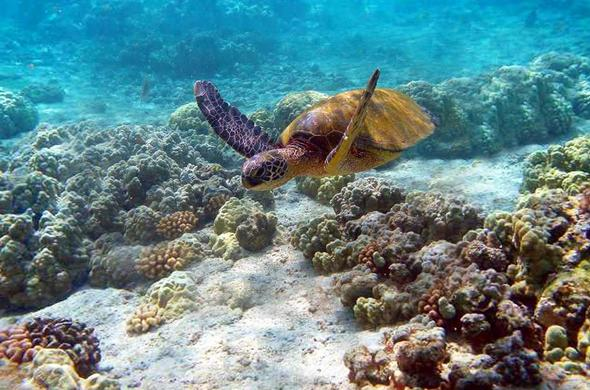
- Entity: Green Sea Turtle (Chelonia mydas) and Hawksbill Sea Turtle (Eretmochelys imbricata) are the most common sightings. Loggerheads and Olive Ridley turtles also pass through.
- Relationship: The calm waters of Turtle Bay Beach are favoured by nesting females. The presence of sea grass beds in the Marine Reserve provides critical food for the Green Sea Turtles.
- Case Study (Watamu Turtle Watch): Run by Local Ocean Conservation, this program monitors over 20 km of beach, protecting hundreds of nests annually from tides, erosion, and human interference. Tourists can sometimes visit the rehabilitation center or witness a nest release.
Responsible Reef Etiquette: Do’s and Don’ts
The incredible experience of snorkeling in Watamu comes with a responsibility to protect it.
- Rule Number One: Look, Don’t Touch. This is paramount. Touching coral, even lightly, can transmit harmful oils or break off delicate polyps, effectively killing years of growth. Never stand on the coral.
- Distance: Maintain a respectful distance from all marine life, especially sea turtles and dolphins. Do not chase them or block their path.
- Sunscreen: Reef-Safe Sunscreen is a mandatory choice. Traditional sunscreens contain oxybenzone and octinoxate, which are toxic to coral reefs and cause bleaching. Ensure your product is explicitly “Mineral” or “Reef-Safe.”
By following these simple steps, you become part of the conservation effort that keeps the waters of Watamu Beach so pristine and full of life.
🌴 Beyond Snorkeling: Relaxation, Culture, and Local Exploration at Watamu Beach
The destination’s Swahili name, “home of sweet people,” extends deeply to its atmosphere, making Watamu Beach a perfect place for relaxation and rich cultural immersion after an active morning exploring the marine park. The area seamlessly connects its stunning natural landscapes with centuries of fascinating coastal history.
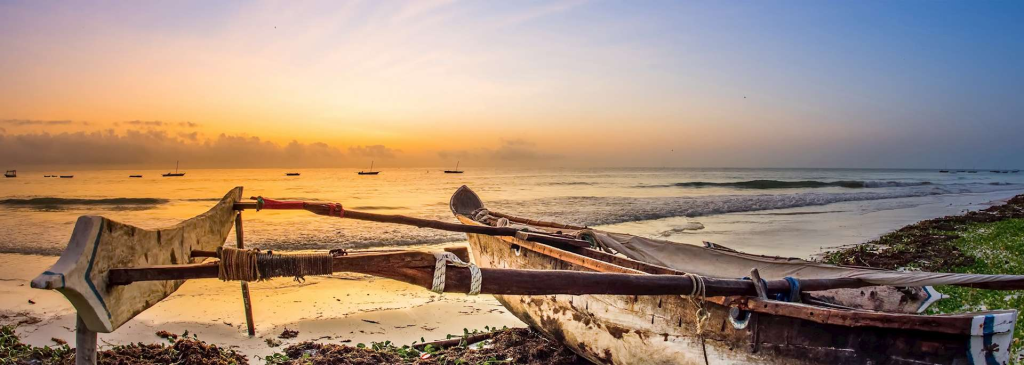
Unwinding on the White Sands: Best Beaches for Tranquility
While the entire coastline of Watamu, Kenya, is beautiful, different bays offer distinct experiences tailored to varying paces of relaxation.
| Beach/Bay Entity | Best For | Key Feature/Vibe |
|---|---|---|
| Turtle Bay Beach | Calm swimming, family time, and conservation viewing. | Protected by the reef, ensuring calm, shallow waters. Home to key turtle nesting sites. |
| Garoda Beach | Watersports, sunset photography, and walking. | More open and windier, ideal for kite surfing and windsurfing. Features panoramic views. |
| Blue Lagoon | Peaceful kayaking and low-key relaxation. | Sheltered inlet, known for its tranquil, turquoise water colour. |
Sinking your toes into the soft, white coral sand and listening to the gentle lapping of the Indian Ocean is the purest form of relaxation Watamu Beach offers.
Exploring the Coastal Culture and History
Stepping off the beach and into the surrounding area provides immediate access to ancient history and unique ecological sites that define the region.
The Ancient Gedi Ruins: A Step Back in Time
Just a short trip from Watamu Beach are the Gedi Ruins, the remains of a once-thriving, opulent medieval Swahili city.
- Entity: The Gedi Ruins (Gede), a National Monument under the National Museums of Kenya.
- Historical Significance: Gedi flourished as a major trade center between the 13th and 17th centuries, engaging in international trade with entities as distant as China (evidenced by recovered Ming Dynasty porcelain) and Venice.
- Relationship: The site showcases the unique Swahili architectural style—built using coral stone and lime mortar—and demonstrates advanced urban planning, including intricate water systems and formally structured streets.
- The Mystery: The city was mysteriously abandoned in the 17th century, likely due to factors like the falling water table, threats from nomadic groups (Galla), and regional political pressures following the arrival of the Portuguese. The unexplained mass exodus leaves the site shrouded in fascination and local folklore.
Key Structures to Explore at Gedi:
- The Great Mosque (mid-15th century)
- The Palace (A stately residence with courts)
- Elaborate Pillar Tombs
Visiting Gedi provides critical context to the Swahili culture you experience today in Watamu, connecting the past with the present.
Mida Creek: The Mangrove Labyrinth
Directly adjacent to the Watamu Marine Park is the Mida Creek, a vast tidal inlet and estuary covering approximately 32 square kilometers. This area is a crucial ecosystem and an absolute must-see for relaxation and nature lovers.
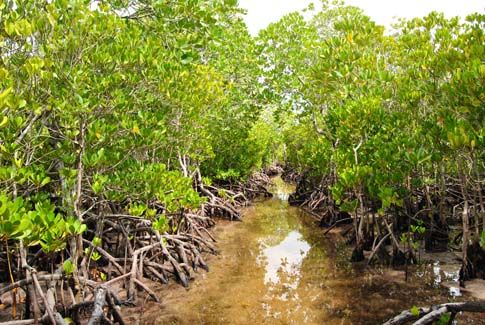
- Entity: Mida Creek, part of the Malindi-Watamu UNESCO Biosphere Reserve and an International Bird Area (IBA).
- Ecological Role: The extensive mangrove forest acts as a vital nursery for marine life, providing food and shelter for juvenile fish (snapper, barracuda) and the endangered sea turtles that forage here.
- Activities:
- Sunset Dhow Cruise: The most popular activity is a relaxing cruise aboard a traditional dhow as the sun dips below the mangroves, offering stunning photo opportunities.
- Kayaking/Canoeing: Paddle silently through the narrow channels to experience the mangrove roots up close and spot wildlife.
- Mangrove Boardwalk: A rickety but sturdy wooden walkway allows non-disruptive viewing and birdwatching deep inside the mangrove ecosystem.
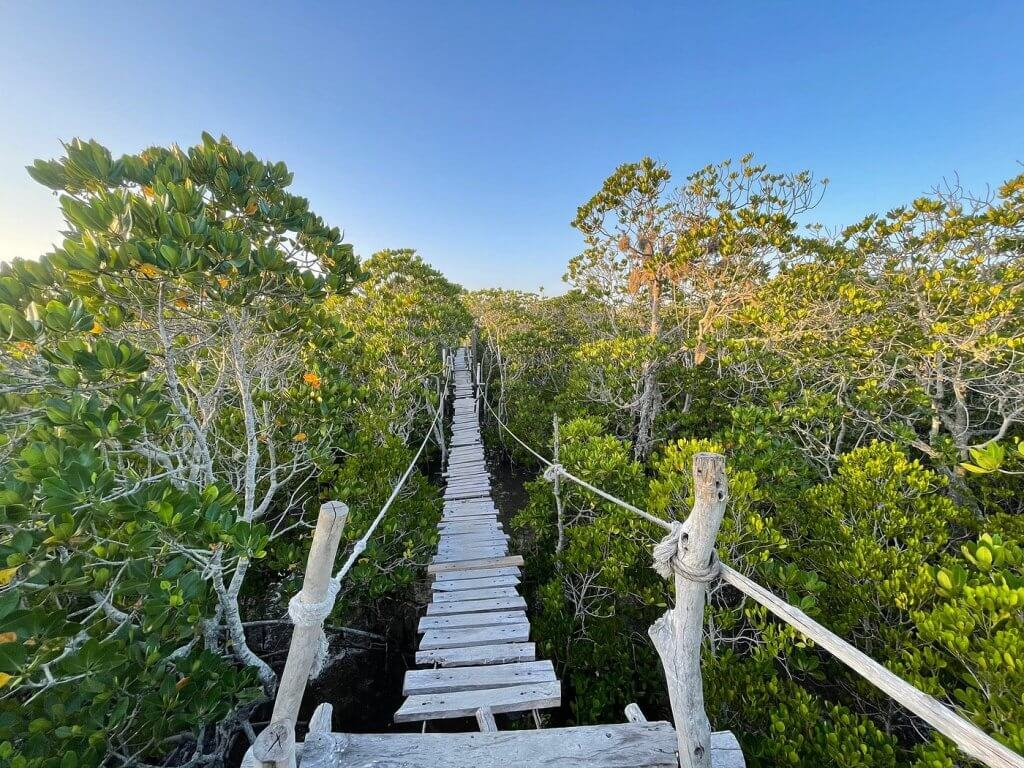
Birdwatcher’s Paradise Fact: Mida Creek hosts thousands of resident and migratory bird species between September and May, including Greater Flamingos, Crab Plovers, Whimbrels, and various Terns, making it the second largest ornithological reserve in Africa.
Savoring the Coast: A Culinary Journey in Watamu
The culinary scene in Watamu Beach is a delicious reflection of its coastal location and Swahili heritage, blending spices, seafood, and coconut milk into memorable dishes.
- Entity: Swahili Cuisine, influenced by Arabic, Indian, and African culinary traditions.
- Query Semantics: What are the best traditional dishes to try in Watamu?
| Culinary Entity | Description | Must-Try Experience |
|---|---|---|
| Fresh Seafood | Daily catch often includes snapper, king prawns, lobster, and tuna, usually grilled (choma) or prepared in a coconut curry. | Dining at The Crab Shack Dabaso—a low-impact wooden restaurant on the Mida Creek boardwalk, famous for its chili crab and sunset views. |
| Pilaus (Pilau) | A fragrant rice dish cooked in a meat or vegetable stock with cloves, cardamom, and cinnamon, reflecting Arabic influence. | Found at local kibanda (roadside) restaurants for an authentic taste. |
| Mandazi | A light, slightly sweet fried bread, similar to a doughnut, perfect for breakfast or with afternoon tea. | Usually served hot and fresh by local street vendors. |
The rich, creamy texture of coconut milk is a staple, particularly in sauces and fish curries, contrasting beautifully with the heat of local chilies. Dining in Watamu is an integral part of the relaxation experience.
✈️: Practical Traveler’s Toolkit: Planning Your Watamu Getaway
A successful trip to Watamu Beach requires careful planning, especially regarding logistics and choosing the right time to visit. This section provides the essential, actionable information you need to move from planning to paradise.
How to Get to Watamu, Kenya
Watamu is easily accessible, predominantly via air travel to the nearby town of Malindi.
- By Air (Fastest Route):
- Destination Airport: Malindi Airport (MYD) is the closest and most convenient airport to Watamu. Domestic carriers (e.g., Kenya Airways, Jambojet) offer quick flights (approx. 1 hour 20 minutes) from Nairobi’s Wilson Airport (WIL) or Jomo Kenyatta International Airport (NBO).
- Transfer: A taxi from Malindi Airport to Watamu Beach takes approximately 30 minutes and should cost between KES 2,000 and KES 3,000.
- By Air and Road (Alternative):
- You can fly into Moi International Airport in Mombasa (MBA), which is the main international gateway for the coast. The drive from Mombasa to Watamu takes about 2 to 3 hours, depending on traffic, and offers a chance to see more of the coastal road.
- Getting Around Locally:
- Once in town, local transport is simple and affordable. Use the iconic three-wheeled Tuk-Tuks (enclosed motorbikes) or motorbikes (Boda-bodas) for short trips between the beaches and your accommodation. Negotiate the fare before starting your journey!
Understanding the Weather: When is the Best Time to Visit Watamu Beach?
Timing your visit is crucial, particularly if snorkeling and optimal visibility are your priorities for your Watamu Beach adventure.
| Season Type | Months | Conditions & Visibility | Best For |
| Peak Dry Season | December – March | Excellent visibility (20m+), calm seas, high humidity, warmest water. | Snorkeling, Diving, General Beach Relaxation |
| Long Rains (Off-Season) | April – June | Heavy, often short bursts of rainfall; high humidity. Visibility can decrease. | Budget travelers, fewer crowds, lush scenery. |
| Short Dry Season | July – October | Cooler temperatures, lower humidity, moderate to excellent visibility. Can be slightly windier. | Kitesurfing, relaxation, safaris (the long dry season). |
| Short Rains | October – November | Light, intermittent showers; great visibility between rain spells. | Budget travelers, birdwatching (as migratory birds arrive). |
The absolute best time for snorkeling and optimal weather is typically January to March.
Where to Stay: Accommodation Options for Every Budget
Watamu caters to all travelers, from luxury seekers to budget-conscious eco-tourists. The location of your stay often dictates your access to certain activities, like the Marine Park or Mida Creek.
- Luxury & Resorts: Resorts like Hemingways Watamu and Medina Palms offer five-star amenities, direct beach access to Turtle Bay, and often include dedicated watersports centres. These are prime locations for accessing the main snorkeling areas.
- Eco-Lodges & Boutique Hotels: Places like Watamu Treehouse or smaller boutique resorts near the Mida Creek entrance focus heavily on sustainability, wellness, and integrating with the natural surroundings. They provide a unique, tranquil experience away from the main beach crowds.
- Self-Catering Villas: A very popular option, numerous private villas and apartments are available, often fully staffed with cooks and housekeepers (an excellent way to support the local economy). This offers maximum flexibility, especially for families or large groups visiting Watamu Beach.
Money, Health, and Safety Considerations
While Watamu is known for its friendly and welcoming atmosphere, preparing for local logistics and health concerns is essential for an incident-free trip.
Health and Safety
- Malaria: The coastal region is a malaria-prone area. Consult your doctor about Anti-Malarial Prophylaxis before travel. Always use insect repellent, especially at dawn and dusk, and sleep under a mosquito net.
- Water: Never drink tap water. Stick to bottled water with sealed lids. Be cautious with ice cubes and salads washed in unpurified water.
- Sun Protection: The equatorial sun is intense. Use high SPF sunscreen (reef-safe, please!), wear a wide-brimmed hat, and stay hydrated.
- General Safety: Watamu is generally safe. However, avoid isolated beach walks or unlit areas alone at night. Keep valuables secured in your accommodation’s safe. Use licensed taxis or trusted hotel transfers after dark.
Money and Currency
- Currency: The official currency is the Kenyan Shilling (KES).
- Payments: Credit cards are accepted at major resorts and higher-end restaurants. However, cash (KES) is necessary for entry fees (KWS), local markets, tipping, and paying Tuk-Tuk drivers.
- Costs: While accommodation ranges from budget to luxury, food and activities, especially the KWS marine park fees, must be factored in.
Planning Your Activities: Partnering with Local Tour Operators
Booking your excursions, especially marine trips and transfers, through licensed and reputable local operators ensures safety and supports the local community directly.

Jose Junior Tours is a recognized local provider offering a range of services from safaris and transfers to local excursions around Malindi and Watamu Beach.
| Service Type | Contact Information for Jose Junior Tours |
| Phone | +254 782 870647 |
| tours@josejuniortours.co.ke | |
| Website | https://josejuniortours.co.ke/ |
| Location | Malindi – Kenya (Serving the Watamu region) |
Utilizing such local entities not only simplifies your logistics but ensures you are engaging with guides who have deep local knowledge of the area, the tides, and the marine park regulations.
Conclusion: Why Watamu Beach is an Unforgettable Destination
Watamu Beach stands as a testament to successful marine conservation and responsible tourism, offering an experience that is deeply rewarding for any traveler. It truly embodies the ideal blend of a thrilling natural encounter and a deeply relaxing cultural retreat.
A Final Note on Eco-Tourism and Conservation
The enduring magic of Watamu, Kenya, is inextricably linked to the dedication of its local communities and conservation partners. When you choose Watamu, you are directly supporting a model of eco-tourism where the health of the environment is prioritized over mass development.
- Fact: The continued thriving of the Watamu Marine National Park and the successful Watamu Turtle Watch program relies heavily on the revenue generated through tourism fees and supporting local, ethical businesses.
- Impact: By choosing an eco-lodge, participating in a clean-up, or using a licensed operator that respects the KWS regulations, you become an active participant in preserving the endangered Green Sea Turtle and the vital coral reef system for future generations.
Summarizing the Experience: Your Watamu Beach Highlights
From the underwater marvels to the ancient ruins, Watamu Beach offers a diverse itinerary that satisfies the spirit of adventure and the need for tranquility.
| Watamu Experience | Key Takeaway | Core Semantic Keyword |
| Snorkeling | Witnessing a kaleidoscope of fish and vibrant, protected coral in one of Africa’s oldest marine parks. | Watamu Marine Park, Coral Health |
| Relaxation | Unwinding on pristine, white-sand bays like Turtle Bay Beach and enjoying the tropical sun. | Tranquil, White Sand, Turtle Bay |
| Culture | Stepping back in time at the Gedi Ruins and immersing yourself in rich Swahili history and cuisine. | Gedi Ruins, Swahili Culture |
| Nature | Exploring the peaceful mangrove channels of Mida Creek by kayak or sunset dhow cruise. | Mida Creek, Birdwatching |
Call to Action: Start Planning Your Watamu Adventure!
Your ultimate guide to snorkeling and relaxation at Watamu Beach has detailed everything necessary to plan an unforgettable trip. This destination is more than just a getaway; it’s an invitation to experience nature at its finest while contributing to a crucial conservation success story.
Don’t just dream about the clear turquoise waters and the gentle giants of the Indian Ocean—make it happen. Use the practical traveler’s toolkit, contact reputable local partners like Jose Junior Tours, and prepare to discover your own piece of Kenyan paradise.