
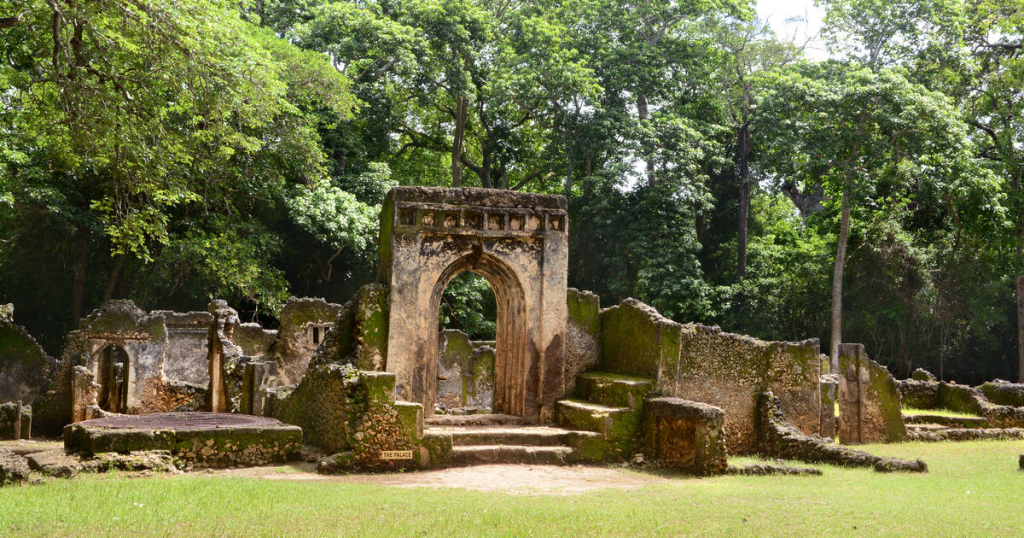
The Gedi Ruins Malindi are perhaps the greatest mystery nestled along the Kenyan coast. Deep within the lush, protected Arabuko-Sokoke Forest, the remnants of a once-opulent medieval city lie silently waiting. These ruins tell a captivating story of global trade, advanced architecture, and a sudden, inexplicable abandonment centuries ago. This ancient ghost town, often referred to simply as Gede, represents a pinnacle of the Swahili Civilization, yet its story remains incomplete, fueling decades of archaeological fascination and research. It is a site where history feels palpable, and the secrets of the past whisper from the coral stone walls, echoing the rise and fall of a powerful coastal kingdom that flourished for over 400 years.
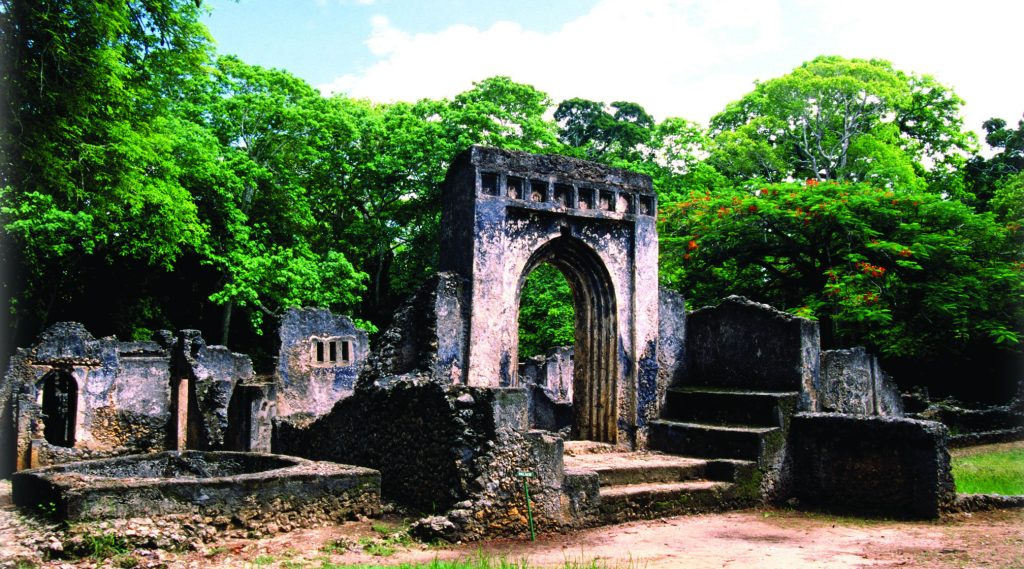
This comprehensive guide will uncover the history of the Gedi Ruins, exploring the architectural marvels, detailing the compelling theories behind its mysterious collapse, and providing everything you need to know for your visit to this crucial piece of Kenyan heritage. Our analysis delves beyond the surface, examining the tangible evidence—from imported Chinese porcelain to elaborate coral stone houses—that ties Gedi to a sophisticated, global trading network that predates European colonial influence. Prepare to delve deep into one of Africa’s most enigmatic archaeological treasures, ensuring you fully appreciate the depth of this former economic powerhouse. We will provide in-depth historical context, practical visitor information, and detailed facts that highlight the sheer complexity of life in the medieval Swahili world, aiming to satisfy both the casual traveler and the dedicated history enthusiast.
What Exactly are the Gedi Ruins?
The Gedi Ruins are the remarkably well-preserved remains of a massive Swahili-Islamic settlement. This ancient town flourished between the 12th and 17th centuries. It served as a vital hub for trade and culture along the East African coast. It stands as one of the most important archaeological sites in East Africa, giving us a deep, physical window into the region’s pre-colonial past.

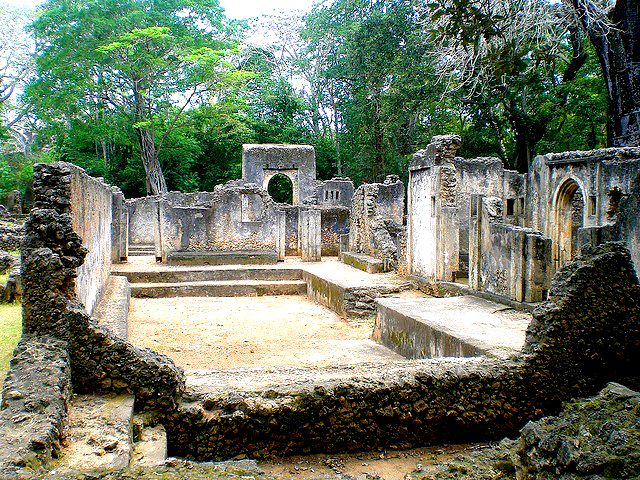
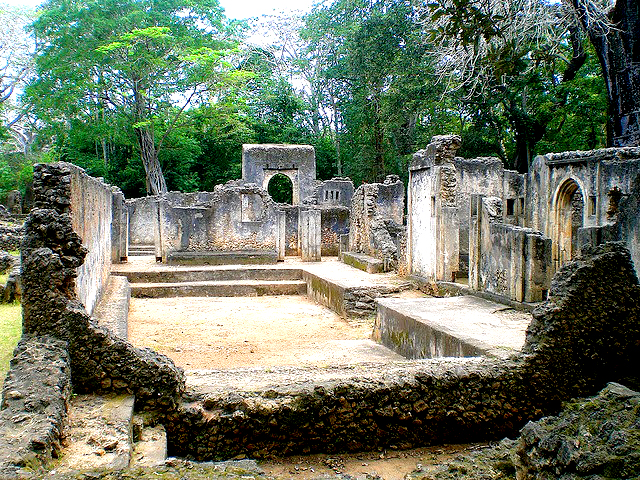
The term Gedi Ruins Malindi refers not just to a collection of crumbling walls, but to the skeletal structure of a complete medieval metropolis. This city was constructed almost entirely from local coral stone and lime mortar, materials that have ensured its resilience against centuries of tropical weather and forest encroachment. The total area of the abandoned town is considerable, reflecting a large and organized population. The sheer scale of the ruins immediately signifies that Gedi was not a small village, but a highly organized and stratified urban center that played a significant economic role.
Today, the site is recognized as a National Monument in Kenya. It is meticulously managed by the National Museums of Kenya (NMK). The ruins are a powerful symbol of past civilizations that thrived in the region long before the modern era, challenging simplistic narratives about African history. The preservation efforts are focused on stabilizing the architecture and protecting the wealth of historical evidence still buried beneath the forest floor. Visitors often remark on the eerie stillness of the place, where massive fig and baobab trees have grown through and around the ancient foundations.
The Double Wall System: A Fact of Advanced Planning
One of the most striking architectural features of the ancient Gedi Ruins Malindi is the double concentric wall system. This design clearly suggests a hierarchical and security-conscious society.
- The Outer Wall: This wall enclosed the entire settlement, covering an area of approximately 45 acres. It protected the majority of the population, including smaller dwellings, markets, and open spaces.
- The Inner Wall: This smaller, more heavily fortified wall enclosed the central, core area of the town, covering about 18 acres. This inner sanctum housed the most important structures, including the Great Mosque, the Palace (or Sheikh’s Residence), and the largest stone houses belonging to the elite and wealthy merchant class.
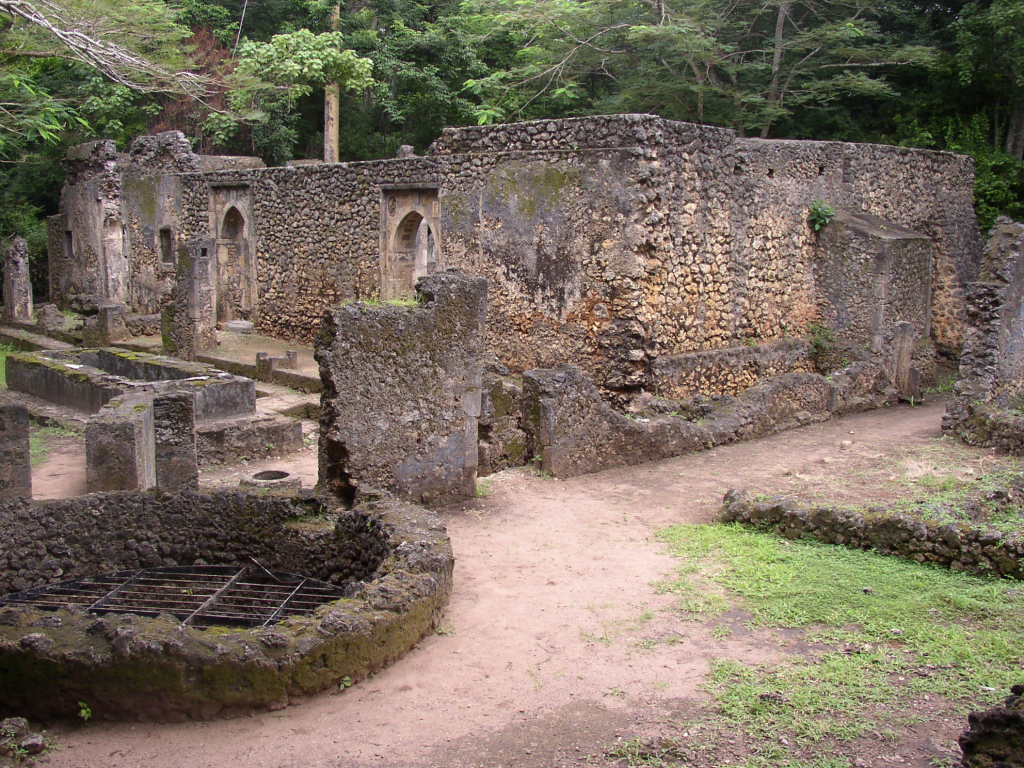
The existence of this inner and outer boundary underscores the importance of Gedi as a major political and economic hub. It suggests a clear distinction between the powerful ruling class and the general populace. This pattern of urban planning is found in other major Swahili city-states, demonstrating a shared architectural and social tradition.
Gedi Ruins: Key Facts and Figures
To truly grasp the significance of the Gedi Ruins Malindi, consider the following validated facts derived from archaeological studies:
| Fact Type | Detail | Significance |
|---|---|---|
| Foundation Period | Est. mid-12th Century CE | Marks the beginning of the late medieval Swahili urban boom. |
| Peak Prosperity | 15th Century (1400s) | The period when the largest stone buildings were constructed and most imports arrived. |
| Area Covered | Approx. 45 acres (Outer Wall) | Indicates a large population, estimated between 2,000 and 2,500 residents. |
| Inland Location | 6 km from the coast | Highly unusual for a major Swahili trading port; suggests unique logistical arrangements. |
| Primary Material | Coral Stone and Lime Mortar | Demonstrates sophisticated, durable masonry techniques and local resource utilization. |
| Date of Abandonment | Early 17th Century (c. 1600-1650) | The city was abandoned relatively quickly, giving rise to the central mystery. |
The fact that the town was so large, built with durable materials, and yet ultimately failed, is what makes the Gedi Ruins such a compelling and essential area of study for historians. It is a monumental reminder of the delicate balance required to sustain life in a semi-arid coastal environment when relying on global trade.
Where are the Gedi Ruins Located?
The Gedi Ruins are strategically located near the small town of Gedi in Kilifi County, Kenya. Their location makes them an accessible historical attraction for coastal visitors.
They sit approximately 16 kilometers south of the popular tourist town of Malindi. The site is also near the beautiful beaches and resorts of Watamu. Uniquely, the ruins are situated inland, set deep inside the coastal forest, which contributes to their mystical atmosphere.
Why the Gedi Ruins Malindi are a Must-Visit
A visit to the Gedi Ruins Malindi is an essential experience for any history enthusiast or traveler exploring the Kenyan coast. They offer a tangible connection to the sophisticated Swahili people. You can literally walk the same streets as merchants and royals did 700 years ago.
Key Reasons to Visit:
- A Time Capsule: The ruins preserve a complete town layout, allowing exceptional insight into Swahili urbanism.
- Architectural Insight: The structures, built from coral stone and lime mortar, show advanced planning and construction techniques.
- The Mystery: The reason for the town’s abrupt abandonment remains a subject of ongoing debate and fascination.
The Origins of Gedi: A Glimpse into Swahili History
Understanding Gedi requires a look at the broader culture from which it emerged: the Swahili Civilization.
Understanding the Swahili Civilization
The Swahili Civilization was a network of maritime city-states stretching along the East African coast. It blended indigenous African roots with influences from Arab, Persian, and Indian traders. This cultural amalgamation was driven primarily by trade.
The Swahili people spoke Kiswahili, a Bantu language enriched by Arabic vocabulary. Islam was the dominant religion in these prosperous trading centers.
How Gedi Became a Thriving Swahili Town
The town of Gedi was initially founded around the 12th century. It grew rapidly, reaching its economic and cultural peak in the 15th century—often referred to as the Golden Age of the Swahili Civilization.
The community here was large, with estimates suggesting a population of up to 2,500 people during its prime. Their wealth was significant, allowing the construction of sophisticated stone structures and complex infrastructure.
The Role of Gedi in the Indian Ocean Trade Network
Gedi was an integral component of the vast Indian Ocean Trade Network that connected East Africa to the global marketplace.
This network allowed the exchange of goods between Gedi and places as far away as China, India, and the Near East. Gedi’s primary role was as an exporter, providing valuable African resources to the world.
The main exports that fueled Gedi’s economy included:
- Ivory from inland regions
- Gold and iron
- Ebony and mangrove poles (timber)
- Animal skins and ambergris
The Puzzle of Gedi’s Unique Inland Location
A peculiar feature of the ancient Swahili Town of Gedi is its distance from the ocean. Most major Swahili city-states were built directly on the coast or on islands for easy harbor access. Gedi is several kilometers inland.
Scholars suggest it may have served as a secondary, highly protected administrative or cultural center. It likely acted as an internal trading post connecting coastal ports like Malindi and Mombasa with inland African suppliers.
The Rise and Fall of Gedi
Gedi’s history is characterized by a remarkable rise to opulence, followed by a mysterious and relatively quick decline.
What Led to Gedi’s Prosperity? (The Wealth of the Forgotten Town)
The wealth flowing into the Gedi Ruins Malindi is best evidenced by the luxury goods discovered during excavations. These imported items highlight the town’s cosmopolitan character and high standard of living.
Key Imported Artifacts:
- Chinese Porcelain: Fragments of Ming Dynasty porcelain show direct links to China.
- Glassware and Beads: Venetian and Islamic glass, indicating trade with the Mediterranean and Arabian worlds.
- Coinage: Locally minted coins and foreign currency from the Arabian Peninsula.
The town’s architecture, with two concentric walls—an inner wall for the elite and an outer wall encompassing the main settlement—also points to a highly stratified and affluent society.
Why Did the Ancient Swahili Town of Gedi Decline?
The final abandonment of the Swahili Town of Gedi occurred in the early 17th century. The reason remains a topic of intense archaeological debate, as the departure seemed deliberate and not hastened by a sudden attack.
Several theories are commonly proposed, and it is likely that a combination of factors led to the exodus:
| Theory | Explanation | Evidence/Impact |
|---|---|---|
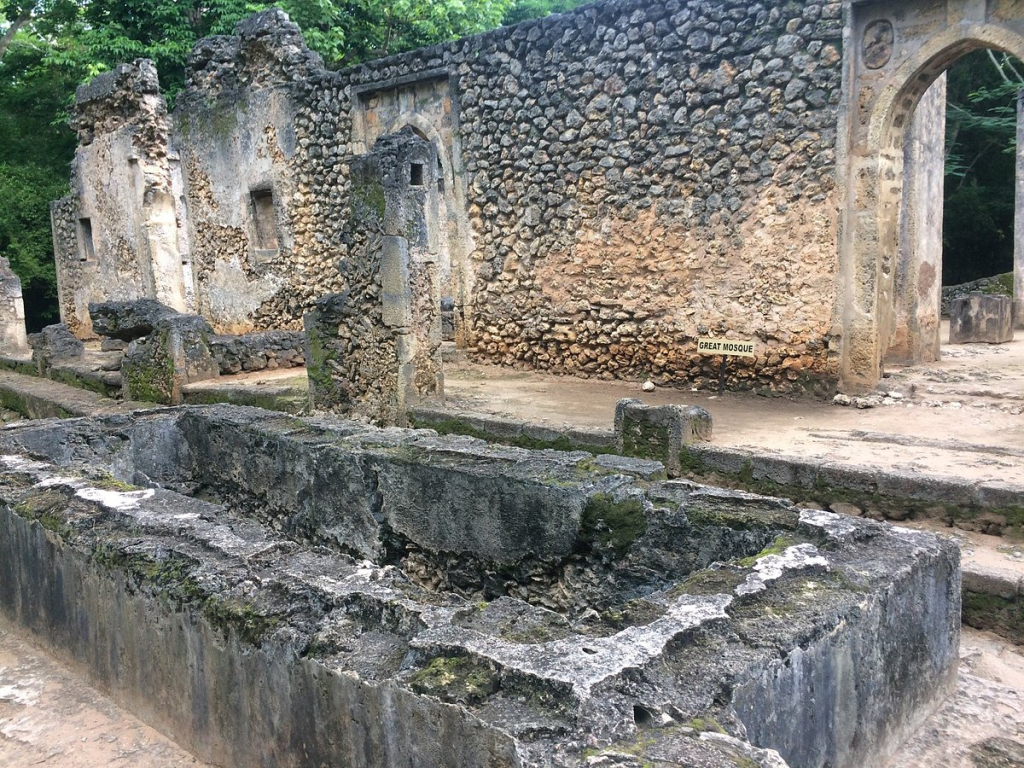
| Environmental Stress | A falling water table and chronic droughts made it difficult to sustain the population and their livestock. | The deepening of the wells found outside the Great Mosque. |
| Regional Insecurity | Incursions by the nomadic Galla (Oromo) people from the north increased pressure and instability. | Historical accounts mention the Galla threat throughout the 16th century. |
| Political Shift | The arrival of the Portuguese and the establishment of a powerful new political center in Mombasa destabilized existing trade networks. | The relocation of the Sultan of Malindi to Mombasa in 1593 severely impacted Gedi’s economic ties. |
The discovery of secure, built-in strong rooms in the residential houses, all found empty, suggests the residents had ample time to pack up their valuables and leave peacefully. This hints that the abandonment was planned, perhaps due to unsustainable environmental conditions or a permanent shift in trade routes.
Archaeological Discoveries at Gedi Ruins
The extensive excavations conducted since the 1920s have brought the forgotten structures of Gede Ruins back to light. They provide remarkable details about life in medieval East Africa.
The Main Architectural Structures Unearthed
The architectural style is a classic example of Swahili stone construction, using readily available coral rock. The most important buildings are centrally located within the inner wall:
- The Great Mosque: This impressive structure was rebuilt several times and contains a significant pillar tomb near its entrance. It served as the spiritual heart of the community.
- The Palace Complex: A sprawling residential structure believed to belong to the Sheikh (ruler) of Gedi. It features inner courtyards and large reception rooms.
- Pillar Tombs: These tall, cylindrical or rectangular tombs are a distinctive architectural feature found across the Swahili Coast, marking the graves of important Muslim individuals.
Significance of Gedi’s Swahili Architecture
The houses in Gedi demonstrate sophisticated urban planning. Many residential buildings included private wells, inner courtyards, and advanced sanitation systems, including lavatories (flush toilets) connected to drainage systems. This level of infrastructure highlights the high living standards of the elite.
The practice of embedding decorative porcelain plates into the walls of mosques and tombs is another unique architectural signature of this period, seen throughout the $$Swahili Coast archaeological sites$$
.
Artifacts Found at Gedi: Evidence of Global Reach
The artifacts recovered from the site continue to confirm Gedi’s role as a major player in international commerce. These findings span continents:
- China: Ming Dynasty celadon and stoneware.
- India: Carnelian beads and other ceramics.
- Europe: Venetian glass beads and Spanish scissors.
- The Near East: Persian and Islamic stoneware and glazed ceramics.
These objects are powerful testimonies to the cultural diffusion fostered by the Indian Ocean trade. They showcase that Gedi was connected to a sophisticated, pre-colonial global economy.
Gedi Ruins Malindi in the Modern Era: Visitor Information
Today, the Gedi Ruins Malindi are more than just a historical site; they are a living, protected landscape.
Gedi’s Global Recognition: UNESCO World Heritage Site Status
In recent years, the Historic Town and Archaeological Site of Gedi has received its most prestigious recognition. It was officially inscribed on the $$UNESCO World Heritage Site listing$$
, solidifying its global cultural importance.
This designation ensures international collaboration and funding for conservation efforts. It helps preserve the site’s structural integrity and protects its surrounding natural environment.
Practical Guide for Visiting the Gedi Ruins Malindi
The Gedi Ruins are easily accessible from both Malindi and Watamu. They make a perfect half-day trip from the beach resorts.
| Detail | Information |
|---|---|
| Location | Kilifi County, Kenya, inside the Arabuko-Sokoke Forest. |
| Getting There | Take a taxi, tuk-tuk, or matatu (local public transport) from Malindi or Watamu. |
| Opening Hours | The site is typically open daily from early morning to late afternoon (check the National Museums of Kenya website for exact times). |
| What to Bring | Comfortable walking shoes, water, insect repellent, and a camera. |
Visitors should also be prepared to encounter the resident Sykes’ monkeys and other wildlife that now inhabit the ancient settlement. Guided tours are highly recommended to gain a deep understanding of the structures and history.
For a seamless and unforgettable adventure to the enigmatic Gedi Ruins Malindi, consider booking a tailor-made excursion with Jose Junior Tours & Travel. Specializing in unique experiences along the Kenyan coast, Jose Junior Tours offers expertly guided trips that handle all the logistics—from transportation from your resort in Malindi or Watamu to providing deep insights into the history and mystery of this ancient Swahili town. They ensure you receive a personalized, high-quality experience, allowing you to focus entirely on uncovering the secrets of Gede’s forgotten past. To start your journey and secure your booking, you can reach them directly by phone at +254 782 870647 or send an inquiry to tours@josejuniortours.co.ke.

Conservation Efforts and Protecting the Ancient Swahili Town
Preservation is a constant battle against nature, especially with the tropical forest canopy.
The National Museums of Kenya (NMK) and other conservation bodies are focused on managing root growth and structural decay caused by vegetation. Collaboration with local communities is also vital, recognizing the site’s ongoing spiritual significance to the Giriama people.
Visitors are urged to stay on marked paths and refrain from touching or climbing on the fragile coral stone walls to help protect the ruins for future generations.
The Swahili Legacy: Gedi’s Place in History
Gedi stands as a powerful testament to the forgotten history of the East African coast.
How Gedi Reflects the Broader Swahili Legacy
The town embodies the cultural and economic achievements of the Swahili civilization. Its architecture, trade artifacts, and religious structures confirm the Swahili as sophisticated urban dwellers. They were not merely coastal African tribes, but dynamic participants in a vast maritime global economy.
Gedi shows the scale of the pre-colonial African success that once flourished along this coast.
What Can Modern Societies Learn from Gedi?
The most powerful lesson from Gedi’s decline is the fragility of even the most established civilizations when faced with environmental and socio-political challenges. The town’s possible abandonment due to drought serves as a cautionary tale about resource management and sustainability in a changing world. It reminds us that prosperity is often tied to the resilience of the environment.
Conclusion: Uncovering the Forgotten Past
The Gedi Ruins Malindi are a cultural treasure. They offer an essential, atmospheric journey into a powerful yet largely forgotten chapter of history. Walking through the abandoned streets, past the palace, and around the Great Mosque, you can almost hear the echoes of the bustling life that once thrived here.
This ancient Swahili town challenges the historical narrative that often overlooks the sophisticated achievements of medieval African societies. If you find yourself on the Kenyan coast, make time to experience the haunting beauty and profound history of the Gedi Ruins Malindi. It is a necessary stop to connect with the deep roots of the region’s identity.