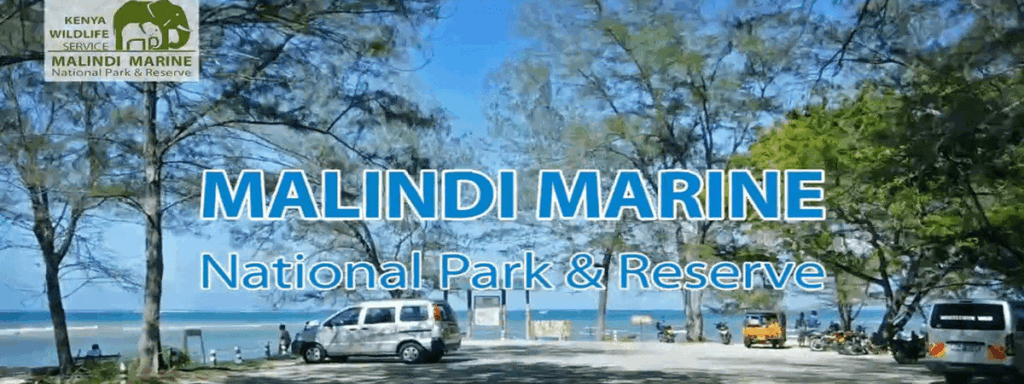
The Kenyan coast is a kaleidoscope of azure waters, white sandy beaches, and vibrant cultural heritage. At the heart of this tropical paradise lies the Malindi Marine National Park, one of Africa’s oldest and most critically important protected marine areas. Established in 1968, this park is not just a conservation success story; it is a premier destination for anyone seeking an intimate encounter with the stunning biodiversity of the Indian Ocean. Tourists flock here annually, drawn by the promise of pristine coral gardens and exhilarating water activities.
This protected area near Malindi and Watamu offers a unique blend of adventure and relaxation. The main draw is the opportunity to explore the underwater world without needing specialized equipment. Thanks to the exceptionally clear tropical waters, visitors can choose between diving directly into the action with snorkeling gear or observing the marine spectacle from the comfort of a glass-bottom boat tour. These tours provide a magical, dry-view perspective of the shallow reef systems, making the beauty of the Malindi Marine National Park accessible to all ages and abilities.
This comprehensive guide is dedicated to unlocking the full potential of your visit. We will delve into the park’s unique ecosystems, detail the diverse marine life you can expect to encounter, and provide essential, practical information. We cover everything from the best times for snorkeling and diving to advice on selecting reputable local operators who adhere to conservation standards. By the end of this read, you will be fully equipped to experience the rich, vibrant heart of the Kenyan ocean and appreciate why the Malindi Marine National Park is an indispensable part of any coastal itinerary.
What is the Malindi Marine National Park?
The Malindi Marine National Park is a massive protected area along the Kenyan coast. It was first established in 1968, making it one of the earliest marine parks in Africa. Its designation was a crucial step in preserving the spectacular coral reefs and the associated marine life that were coming under threat from unregulated fishing and coastal development.
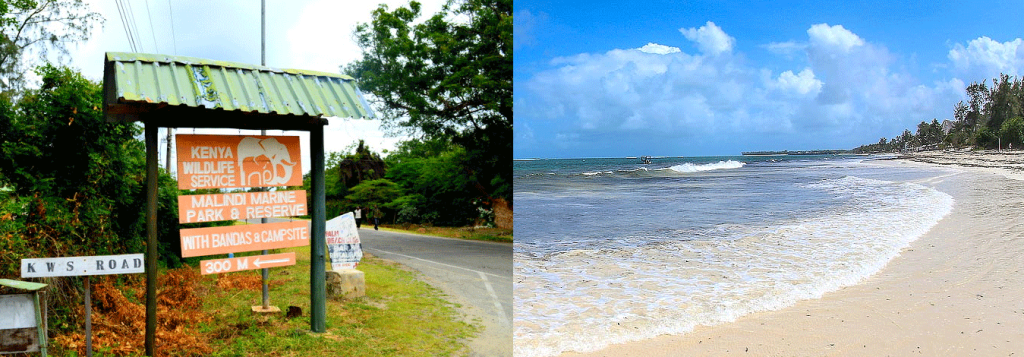
The park is part of a larger complex, often grouped with the neighboring Watamu Marine National Park, forming a vital protected ecological corridor. The primary goal of the park’s management, led by the Kenya Wildlife Service (KWS), is to maintain the health of the coral reefs and ensure the sustainability of marine species.
Key Facts About Malindi Marine National Park
Understanding the scale and scope of the conservation efforts helps appreciate the experience. The park is characterized by distinct ecological zones, all working together to support a complex food web. The boundaries extend beyond the immediate reef, protecting the entire coastal ecosystem.
Critical Data Points:
- Year Established: 1968
- Managing Body: Kenya Wildlife Service (KWS)
- Total Area: Approximately 213 square kilometers, which includes both the Marine National Park and the adjacent Marine Reserve areas.
- Primary Ecosystems: Fringing reefs, coral gardens, sea grass beds, and intertidal zones.
- Conservation Status: Designated as a UNESCO Biosphere Reserve (along with Watamu Marine Park) due to its global ecological importance.
The park enforces strict rules on fishing and collection of marine specimens. This protection is what has allowed the coral and fish populations to thrive, providing the incredible density and variety seen during a typical snorkeling or boat adventure. It is this commitment to preservation that ensures the future of the Malindi Marine National Park as a pristine ecological haven.
Where Exactly is the Malindi Marine National Park Located?
The Malindi Marine National Park is situated just off the coast near the town of Malindi in Kilifi County. It is easily accessible for tourists staying anywhere between Malindi and Watamu. The main entrance and access points are typically found near the central beaches of Malindi.
This proximity to major tourist centers is both a blessing and a challenge for the park. While it makes visiting incredibly convenient, it also requires continuous management to mitigate human impact. Most tours depart from designated points, and boat operators are strictly regulated to maintain environmental integrity.
Its geographic position along the East African coast places it in the warm waters of the Indian Ocean. This constant warm, clear water flow is essential for the growth of the hard and soft coral species that form the backbone of the park’s ecosystem.
The Biodiversity of Malindi Marine National Park (Coral reefs, fish species, turtles)
The true treasure of the Malindi Marine National Park lies beneath the waves, in a complex and thriving tropical ecosystem that rivals any underwater garden in the world. The clear, nutrient-rich Indian Ocean waters foster one of the most biodiverse marine habitats on the East African coast. This diversity is why the park holds the prestigious designation as part of the Watamu-Malindi UNESCO Biosphere Reserve, recognizing its global importance in marine conservation.
The Foundation: Vibrant Coral Reefs
The health of the park is anchored by its extensive coral reef systems, primarily fringing reefs that run parallel to the shore. These reefs are built over thousands of years by tiny coral polyps and provide shelter, hunting grounds, and nurseries for nearly all the other life found here.
Key Coral Types Found in the Park:
- Hard Corals (Stony Corals): These are the structural engineers of the reef. Common types include Brain Coral, which forms large, dome-like structures, and Staghorn Coral, recognizable by its branching, antler-like formations. These structures provide vital, complex hiding spaces.
- Soft Corals (Flexible Corals): These add incredible color and motion to the landscape. Varieties like sea fans and sea whips sway gently with the current, creating spectacular underwater scenery.
The vibrant colors observed are due not only to the coral but also to the symbiotic algae (zooxanthellae) living within them, which are responsible for the coral’s energy and growth. A healthy coral reef is the clearest indicator of the overall well-being of the Malindi Marine National Park.
The Inhabitants: Fish Species and Invertebrates
The protection offered by the park’s reserve status has resulted in a staggering concentration of tropical fish, turning the waters into a living aquarium perfect for snorkeling and glass-bottom viewing. Visitors frequently encounter species that define the Indian Ocean’s ecological character.
| Fish Type | Common Species Encountered | Defining Characteristics |
|---|---|---|
| Reef Dwellers | Clownfish, Sergeant Majors, Moorish Idols, Butterflyfish | Brightly colored; feed on algae and small invertebrates; highly visible near the reef. |
| Predators | Groupers, Snappers, Barracuda (juvenile) | Larger fish, often seen patrolling the reef edge looking for smaller prey. |
| Grazers | Parrotfish, Surgeonfish, Triggerfish | Essential for reef health; Parrotfish “graze” on algae, turning coral into sand. |
| Invertebrates | Starfish (Blue and Crown-of-Thorns), Sea Cucumbers, Sea Urchins | Vital cleanup crew; can be spotted resting on sandy patches or tucked into crevices. |
The sheer density and variety of fish species here make the Malindi Marine National Park a world-class snorkeling destination. It’s common to see schools of hundreds of small silver fish moving in unison, a breathtaking spectacle of nature’s coordination.
The Gentle Giants: Sea Turtle Conservation
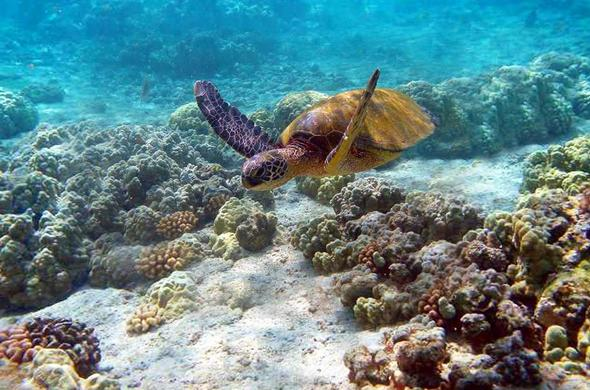
Perhaps the most compelling reason for the park’s existence is the protection of endangered sea turtles. The beaches and surrounding areas of the Malindi Marine National Park are crucial nesting sites for several turtle species.
Sea Turtle Species Protected Here:
- Green Turtle (Chelonia mydas): The most common visitor, often seen grazing on sea grass beds.
- Hawksbill Turtle (Eretmochelys imbricata): Known for their beautiful, pointed beaks and often found near coral formations.
Local conservation groups work closely with KWS, running patrols during nesting seasons (typically October to March) to protect eggs and hatchlings. Seeing a sea turtle glide gracefully through the water is a highlight of any trip to the park, underscoring the conservation success of the area. This commitment to protecting marine fauna is fundamental to the ethos of the Malindi Marine National Park.
Ultimate Water Adventures in Malindi Marine National Park
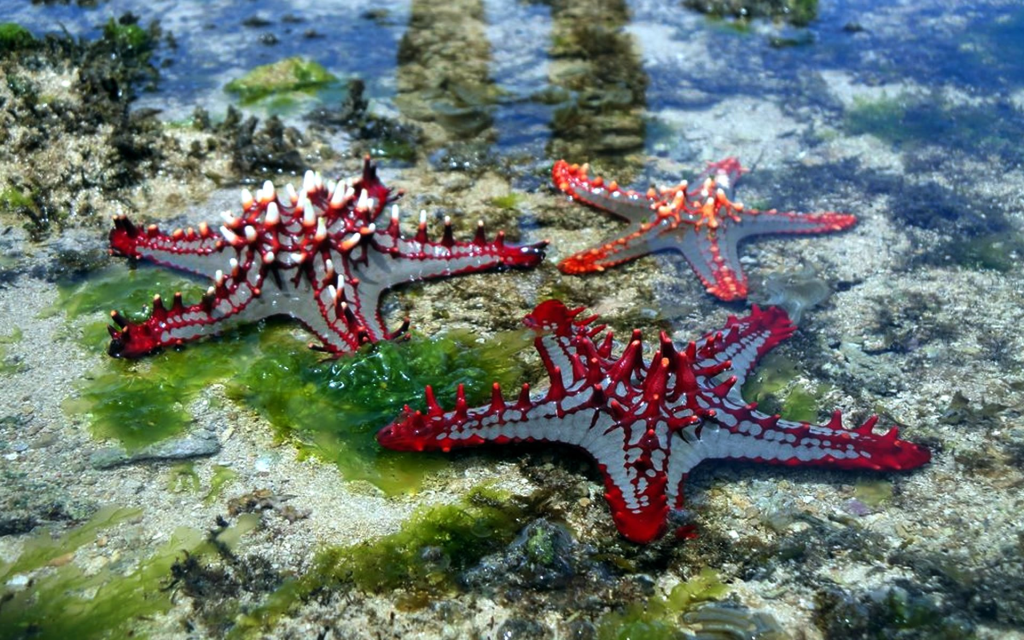
The core experience of visiting the Malindi Marine National Park revolves around direct engagement with the ocean. Whether you choose to stay dry or plunge into the warm waters, the park offers distinct and equally rewarding ways to observe the extraordinary marine life. These activities are carefully managed by KWS to ensure the least possible impact on the fragile coral ecosystem while maximizing the visitor’s exposure to the natural beauty of the Kenyan coast. This section details the two most popular ways to explore this underwater paradise.
The Magic of Glass-Bottom Boat Tours
For visitors who prefer to stay dry, or who are traveling with young children or individuals who cannot swim, the glass-bottom boat tour offers a truly magical and non-invasive way to explore the reefs. These traditional Kenyan boats, often modified dhows or specialized small vessels, feature a reinforced glass panel set into the floor of the hull, acting as a natural, portable viewing window directly into the coral gardens below.
This method of viewing is vital because it allows access to the fragile environments of the Malindi Marine National Park without disturbing the ecosystem. As the boat gently glides over the shallow fringing reefs, passengers gain a vivid, up-close look at the dazzling array of fish, the intricate structures of hard and soft corals, and perhaps even a passing sea turtle. The experience is often enhanced by guides who use their knowledge to identify specific fish species, pointing out everything from the territorial Clownfish to the grazing Parrotfish, and enriching the viewing with ecological explanations. A typical tour lasts between one and two hours, perfectly timed around the low tide to ensure the best visibility over the shallowest parts of the reef. The visibility in the park is often exceptional, ranging from 10 to 30 meters, making the glass-bottom view as sharp as a high-definition screen.
Essential Snorkeling and Diving Spots
For those seeking full immersion, the Malindi Marine National Park is internationally recognized for its outstanding snorkeling and beginner-friendly diving conditions. The park’s protective status means that the density of fish is high, and the coral formations are generally robust, offering spectacular viewing opportunities mere meters from the surface. Snorkeling is the most popular activity, requiring minimal equipment (mask, snorkel, and fins) and allowing visitors to drift effortlessly above the teeming life below.
The park is segmented into areas that cater to different skill levels, but the central Coral Gardens area is the undisputed highlight for most visitors. This zone, easily accessible by boat from the coast, features extensive patches of colorful coral heads and is shallow enough (typically 1 to 4 meters deep) to offer superb lighting and proximity to marine life.
Prime Snorkeling and Diving Locations:
| Location Name | Primary Activity | Depth Range (Approx.) | Key Features/Notes |
|---|---|---|---|
| Coral Gardens | Snorkeling, Shallow Diving | 1 – 4 meters | High fish density, large Brain and Staghorn corals, perfect for beginners. |
| Leopard Point | Diving, Deep Snorkeling | 5 – 12 meters | Located near the reserve boundary; known for larger pelagic fish encounters (e.g., occasional rays, groupers). |
| Barracuda Channel | Diving (Advanced) | 10 – 25 meters | Deeper drift dive, potential for larger schools of fish and more intricate wall structures. (Requires certification). |
Safety is paramount, and most boat operators provide experienced snorkel guides who monitor the group and point out hidden marine treasures. It is crucial to remember the park rules: never touch the coral, never feed the fish, and always use reef-safe sunscreens to protect this delicate habitat. These precautions ensure that the vibrant ecosystems of the Malindi Marine National Park remain healthy for generations to come.
Practical Guide: Planning Your Visit to Malindi Marine National Park
A well-planned trip ensures you maximize your time and enjoyment within the Malindi Marine National Park. Knowing the regulations and costs beforehand prevents surprises and allows you to adhere to the conservation guidelines that keep this ecosystem pristine.
Entrance Fees and Park Regulations
All visitors to the Malindi Marine National Park are required to pay the applicable conservation fee set by the Kenya Wildlife Service (KWS). These fees are reinvested directly into the park’s protection, conservation, and management activities, including anti-poaching patrols and habitat monitoring. Fees are generally charged per person, per day, and are differentiated for Kenyan citizens, East African residents, and non-residents (foreigners). It is highly advisable to check the official KWS website for the most current fee structure before planning your trip, as rates are subject to change annually.
| Visitor Category | Example Fee Structure (Non-Binding Estimate) | Payment Method |
|---|---|---|
| Non-Residents (Adult) | $17 per day | Cash (KES or USD), Mobile Payment, or Card |
| Non-Residents (Child) | $13 per day | Cash (KES or USD), Mobile Payment, or Card |
| Citizens / Residents | KES 250 / KES 350 per day | Mobile Payment or Cash (KES only) |
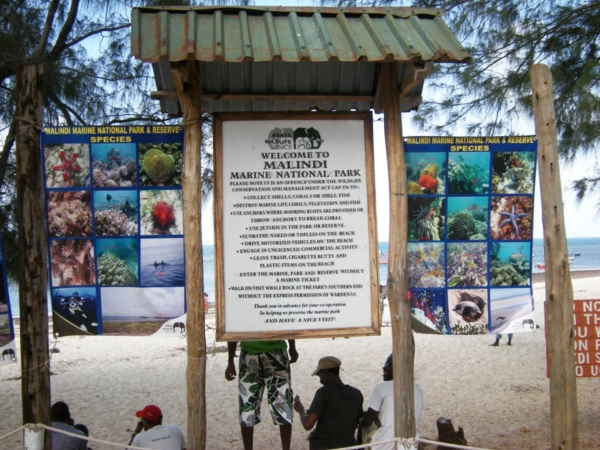
Mandatory Park Regulations to Follow:
- Tides Dictate Access: All water activities are heavily dependent on the tides. Plan your visit for low tide for the best snorkeling and glass-bottom viewing experience over the shallow reefs.
- No Touching/Standing: Never touch, stand on, or anchor near coral formations. The slightest physical contact can kill the delicate polyps.
- No Feeding: Do not feed the fish or marine life. This disrupts their natural foraging behavior and harms the ecosystem.
- Reef-Safe Sunscreen: Use only mineral-based, reef-safe sunscreens. Chemical UV filters (like Oxybenzone) can bleach and kill corals.
- KWS Guidance: Always adhere to the instructions of KWS wardens and licensed tour guides. Your safety and the protection of the park are their priority.
How to Choose the Best Tour Operator
Selecting a reputable and ethical tour operator is arguably the most crucial step in planning your visit to the Malindi Marine National Park. The quality of your experience, the reliability of your equipment, and the safety of the marine environment depend heavily on the operator you choose.
Key Criteria for Choosing a Licensed Guide:
- KWS Licensing and Permits: The operator must be officially licensed by the Kenya Wildlife Service to operate within the park. This ensures they follow safety and conservation protocols. Ask to see their current operating permit.
- Conservation Ethics: Choose an operator who actively promotes and practices responsible tourism. They should provide clear briefings on environmental rules (no touching, proper waste disposal) and use designated mooring points to avoid anchor damage.
- Safety Standards: The boat must be well-maintained, and the operator should provide clean, well-fitting safety equipment, including life vests and first-aid kits. For snorkeling, ensure the gear (masks and snorkels) is sanitized and in good condition.
- Local Knowledge: The best guides are locals who have intimate knowledge of the currents, tides, and specific marine life habitats. They can significantly enhance your experience by pointing out rare species and ensuring the group visits the reef at the optimal time.
By choosing a reputable and licensed operator, you are not only ensuring a safe and memorable trip, but you are also contributing to the sustainable future of the Malindi Marine National Park.
Book Your Malindi Marine Adventure with Jose Junior Tours
To ensure a seamless, safe, and deeply insightful experience exploring the coral reefs of the Malindi Marine National Park, booking a guided tour with a local expert is highly recommended. Operators like Jose Junior Tours & Travel specialize in crafting tailored marine excursions, including both glass-bottom boat tours and guided snorkeling trips that adhere strictly to KWS conservation guidelines.

Choosing a dedicated local tour provider simplifies logistics, guarantees KWS-licensed guidance, and ensures you visit the best spots at optimal tide times, maximizing your chance to see the park’s vibrant marine life.
Contact Details for Jose Junior Tours
| Contact Method | Details |
|---|---|
| Location | Malindi, Kenya (Primary base of operations) |
| Phone/ Whatsapp | +254 782 870647 |
tours@josejuniortours.co.ke | |
| Service Focus | Guided snorkeling, glass-bottom tours, and tailor-made coastal adventures. |
Conservation Efforts and Responsible Tourism
The existence and thriving ecosystem of the Malindi Marine National Park are not accidental; they are the result of decades of rigorous conservation efforts and the dedication of the Kenya Wildlife Service (KWS) and local community groups. For such a delicate environment—constantly under threat from climate change, overfishing, and coastal pollution—active management is non-negotiable. Tourists play a direct and crucial role in supporting these initiatives.
Protecting the Park’s Resources
The KWS employs a multi-faceted approach to safeguard this marine treasure. This includes:
- Anti-Poaching Patrols: Regular sea patrols are conducted to enforce fishing bans within the National Park zone, ensuring the fish populations can replenish, which in turn benefits the surrounding Marine Reserve (where limited, regulated fishing is allowed).
- Coral Reef Monitoring: Scientists and park staff regularly monitor the health of the coral reefs, tracking bleaching events, damage, and recovery rates to inform management strategies.
- Turtle Nesting Programs: Dedicated teams, often volunteers, patrol the beaches adjacent to the park during nesting season to identify, mark, and protect sea turtle nests, significantly boosting the survival rate of Green and Hawksbill hatchlings. This is a crucial function of the entire Malindi Marine National Park complex.
Your Role: Being a Responsible Tourist
Responsible tourism is not just a concept; it is a series of specific, actionable choices that visitors to the Malindi Marine National Park must make to minimize their footprint. Every decision, from who you book your tour with to what you throw away, has a direct consequence on the reef’s survival.
Actions for Sustainable Visiting:
- Reduce Plastic Waste: Minimize the use of single-use plastics and ensure you carry all trash, especially plastic bottles and wrappers, back to the shore for proper disposal. Plastic pollution is a major killer of marine life.
- Support Licensed Operators: As noted in the practical guide, only use KWS-licensed boat operators. These are the individuals formally trained in safe and ethical practices, ensuring your money directly supports regulated conservation efforts.
- Buy Local, But Responsibly: Support local economies by purchasing crafts, but never buy souvenirs made from coral, sea turtle shells, or marine specimens. Doing so fuels illegal harvesting and undermines the park’s primary protective function.
- Maintain Distance: When snorkeling or diving, maintain a respectful distance from all marine life, especially sea turtles and dolphins. Viewing them is a privilege, not a right to interrupt their natural behavior.
By embracing these principles, you become a partner in the ongoing conservation success story of the Malindi Marine National Park, ensuring its future for generations of snorkelers and divers.
Conclusion
The Malindi Marine National Park is a gem of the Kenyan coastline—a vibrant, protected underwater world offering accessible adventure for everyone. It is a place where history, ecology, and breathtaking beauty converge, offering far more than just a typical beach day.
From the educational simplicity of a glass-bottom boat tour gliding over the rich Coral Gardens, to the full immersion of snorkeling amidst schools of dazzling tropical fish, the park promises unforgettable encounters. Its sheer biodiversity, supported by rigorous conservation and the efforts of the KWS, makes it a vital global asset.
As you plan your journey to Malindi, remember that your visit is an investment in this park’s future. By adhering to the mandatory regulations, choosing ethical guides, and practicing responsible tourism, you ensure that the clear, warm waters and the thriving coral reefs of the Malindi Marine National Park remain a spectacular haven for both marine life and travelers for decades to come. Don’t just visit—become a guardian of this magnificent Indian Ocean treasure.